Torrefaction is a thermal process used to improve the properties of biomass, making it a more efficient and sustainable alternative to traditional fuels. The term torrefied refers to materials that have undergone this process, resulting in enhanced fuel characteristics. This technique has gained significant attention in renewable energy sectors due to its potential for producing high-quality biofuels.
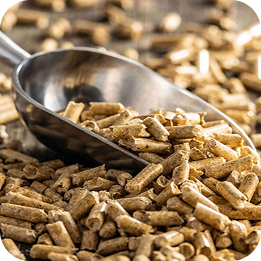
Torrefaction involves heating biomass, such as wood, agricultural residues, or organic waste, to temperatures between 200°C and 300°C in a low-oxygen environment. This controlled heating removes moisture, decomposes volatile compounds, and alters the chemical structure of the biomass. The result is a dry, blackened material with improved combustion properties, often referred to as torrefied biomass or bio-coal.
Power Generation – Torrefied biomass can be used as a direct replacement for coal in power plants, reducing reliance on fossil fuels.
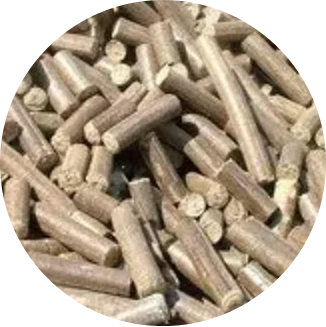
Pellet Production – Compressed torrefied biomass pellets are widely used in heating systems and industrial applications.
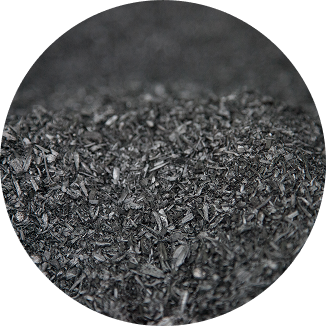
Carbonized Material – In some cases, torrefied material is further processed into biochar for soil enhancement and carbon sequestration.
Despite its advantages, torrefaction technology faces challenges such as high initial investment costs, scalability issues, and the need for improved infrastructure. However, ongoing research and advancements in biomass processing are helping to make torrefied biomass a viable component of sustainable energy solutions.
With increasing global focus on reducing carbon footprints and transitioning to renewable energy sources, torrefied biomass holds great promise in supporting a cleaner and more sustainable future.
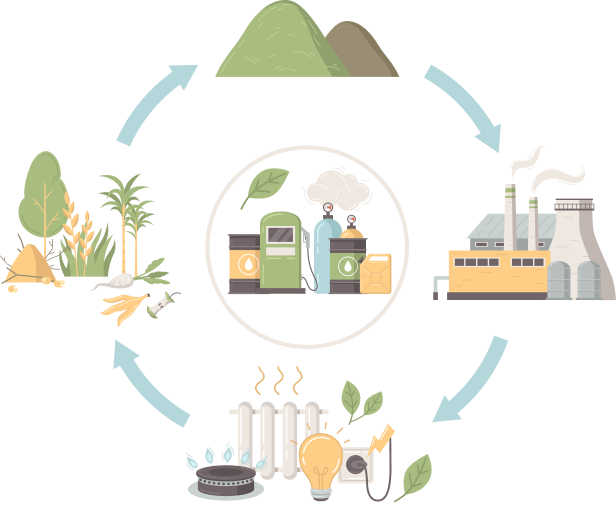
Torrefied biomass has a higher energy content per unit mass compared to raw biomass, making it more efficient for energy production.
The torrefaction process makes biomass more brittle, which facilitates easier grinding into fine particles, making it a suitable feedstock for co-firing in power plants.
With minimal moisture, torrefied biomass has better storage stability and is less susceptible to microbial degradation.
Unlike raw biomass, torrefied material is water-resistant, reducing the risk of decay and making transportation easier.
Torrefied biomass produces fewer greenhouse gas emissions compared to fossil fuels, supporting carbon-neutral energy solutions.
GreenTure Marketing Pvt. Ltd is dedicated to sustaining innovation along with excellence and endeavors to offer eco-friendly sources of energy that would lead to cleaner environments and sustainable future.


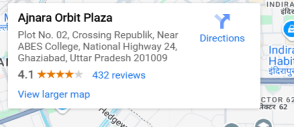
 Office No: 428 4th Floor, Orbit Plaza, Crossings Republics, Ghaziabad - 201016
 91-8076-148767
,
91-7457-875757
91-8076-148767
,
91-7457-875757